In this article
Key takeaway
Sustainable progress comes from balancing movement, effort, rest and recovery
Exercise creates a demand on your body, while recovery gives it the opportunity to adapt, so a routine you can maintain week after week beats an extreme one that leaves you exhausted.
Core topic
Learn how movement, rest and recovery work together to support consistent long-term progress.
Reader-first
The article is designed to answer the question clearly before adding product context.
No hype
Claims stay grounded in everyday behaviour, not exaggerated transformation promises.
Actionable follow-on
Related reads help connect the idea to a wider routine.
Related next steps
Useful follow-ons if you want to turn the idea into action.
An active lifestyle is not only about how much you exercise. Sustainable progress comes from finding the right balance between movement, effort, rest and recovery.
Whether you're training regularly, walking throughout the day or simply trying to become more active, understanding how your body responds to activity can help you build healthier habits and stay consistent over time.
The Importance of Movement
Regular movement supports many aspects of overall well-being. Physical activity can help maintain strength, mobility and endurance while also contributing to better daily energy and general health.
Movement doesn't always have to mean an intense workout. For beginners, simple activities can be a great place to start:
- Walking: Take a 20–30 minute walk at a comfortable pace.
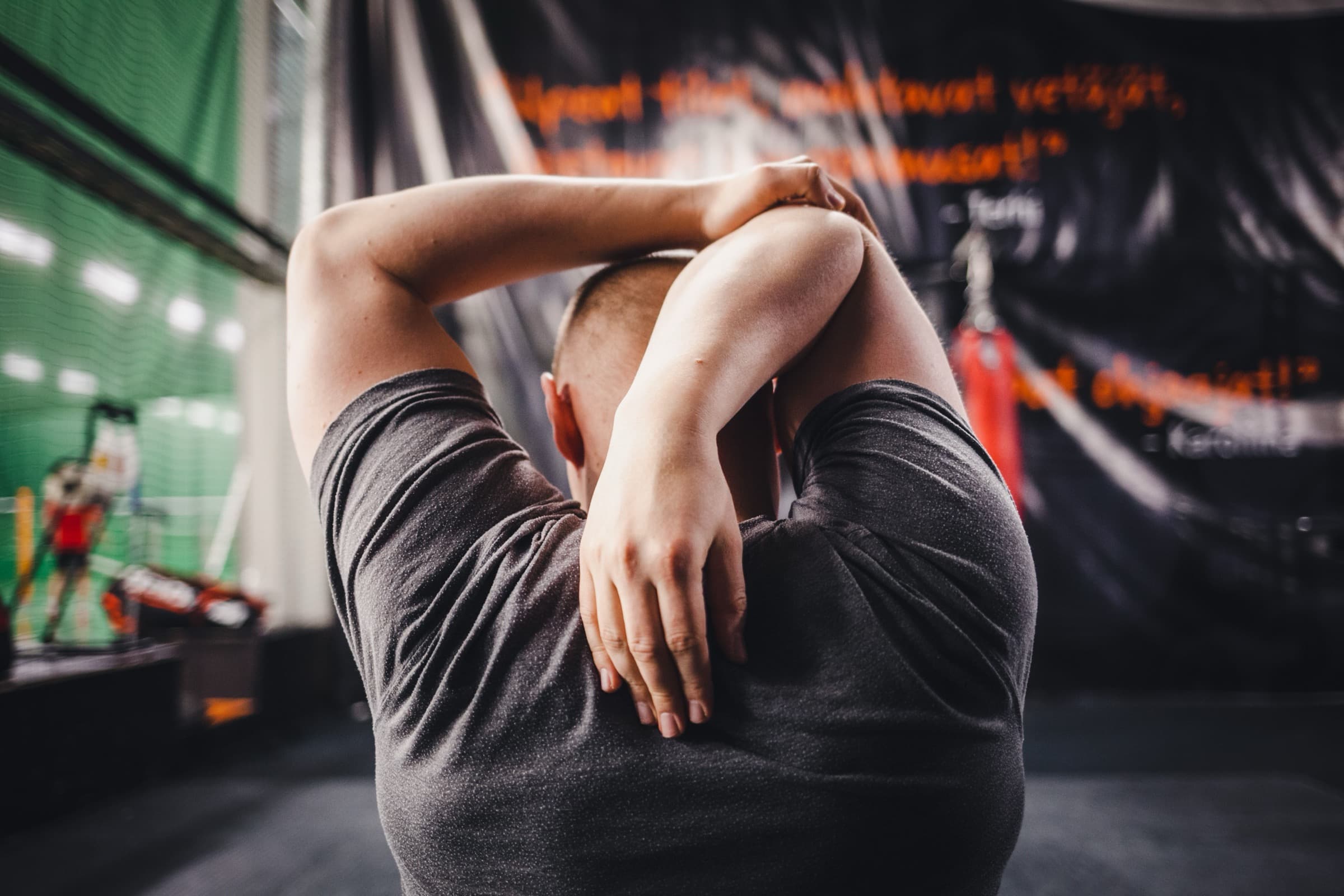
- Stretching: Spend 5–10 minutes doing gentle full-body stretches.
- Bodyweight exercises: Try simple squats, wall push-ups or glute bridges.
- Cycling: Take an easy bike ride and gradually increase the duration.
- Light mobility: Practice gentle movements for your hips, shoulders and spine.
- Everyday activity: Take the stairs, walk short distances instead of driving, or take regular movement breaks during the day.
The goal isn't to do everything at once. Choose activities that feel manageable and enjoyable, then gradually build from there.
Progress Requires Recovery
Exercise creates a demand on your body, while recovery gives it the opportunity to adapt.
Rest days are not wasted days. They are an important part of a sustainable routine, especially when training regularly.
Recovery can include:
- Getting enough quality sleep
- Taking rest days when needed
- Staying hydrated
- Eating balanced meals
- Allowing muscles time to recover
- Managing overall physical and mental stress
Ignoring recovery can make it harder to maintain consistent performance and may leave you feeling constantly tired.
Listen to Your Body
Everyone responds differently to physical activity. The right amount of exercise depends on factors such as your fitness level, routine, sleep, nutrition and overall lifestyle.
Pay attention to signals such as persistent fatigue, unusual soreness or a noticeable decrease in performance. These can be signs that your body may benefit from additional recovery.
Learning to adjust your activity level when necessary is part of building a sustainable fitness routine.
Consistency Over Intensity
Long-term progress is rarely about doing the most exercise possible in the shortest amount of time.
A balanced routine that you can maintain week after week is often more useful than an extreme routine that leaves you exhausted and difficult to sustain.
Think of progress as a cycle:
Move → Recover → Adapt → Repeat
By combining regular activity with appropriate recovery, you give your body the opportunity to improve while reducing the risk of constantly pushing beyond your limits.
Build a Sustainable Routine
Start with realistic goals. Increase your activity gradually, include different types of movement and make recovery part of your schedule rather than something you only do when you're exhausted.
Remember that progress isn't always visible from one day to the next. Improvements in strength, endurance, mobility and overall fitness can develop gradually.
Move With Purpose. Recover With Intention.
An active lifestyle is built on balance. Train when your body is ready, recover when it needs rest, and focus on habits you can maintain for the long term.
Small, consistent actions can become meaningful progress over time.
Learn how Emorya makes everyday movement more rewarding, without turning it into another noisy fitness app.